
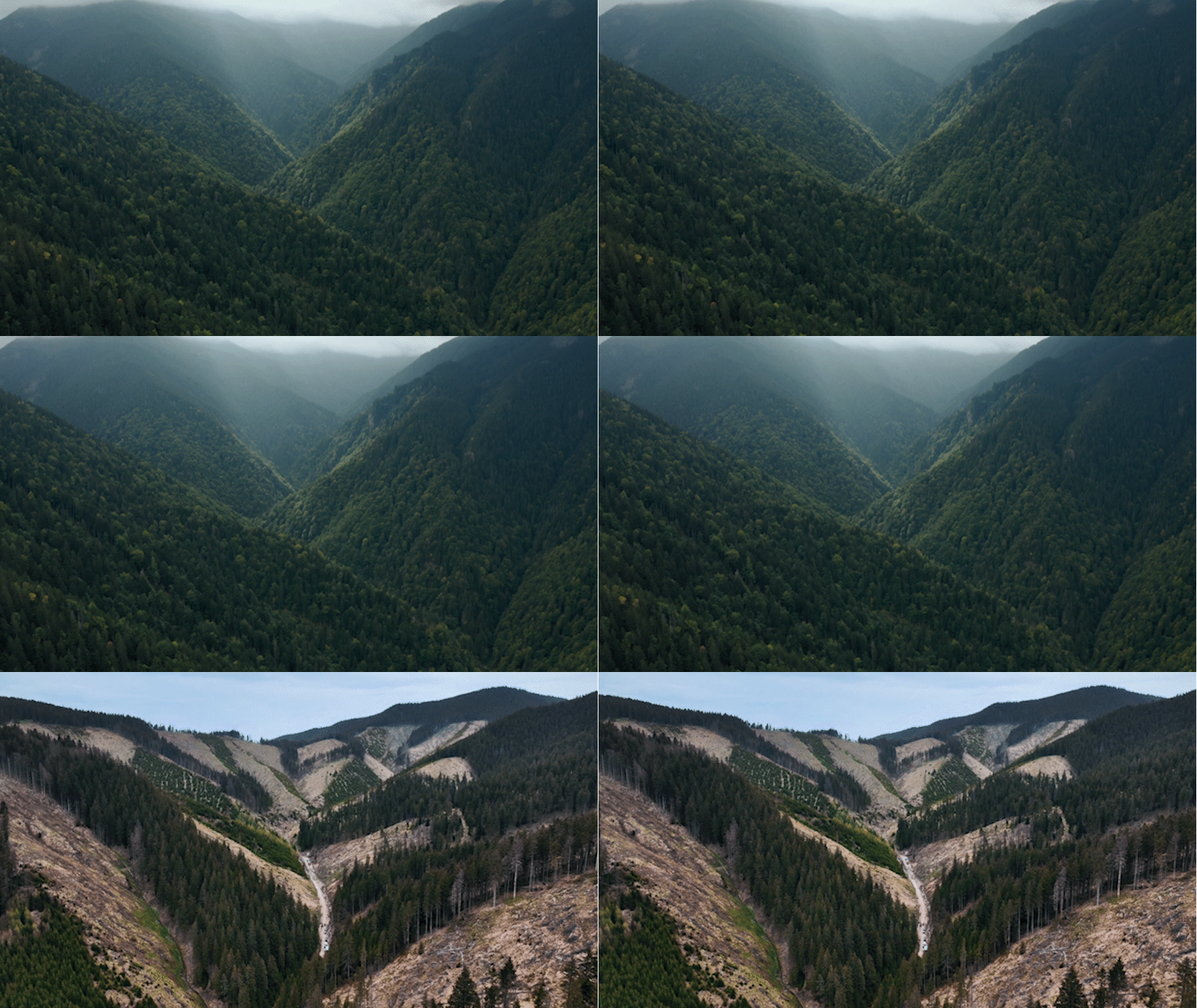
EUROPES GREEN LUNGS ARE IN DANGER DUE TO HEAVY LOGGING FOR COMMERCIAL USE.






Watch BLOOD WOOD and learn more about about Romania’s endangered wild forests. They are one of the last refuges of Europe’s untouched nature, yet they are sacrificed for “sustainably” labeled wood products and renewable energy. A feature film that contrasts the beauty of Europe’s ancient forests with their ruthless exploitation for profit.
back to top

WHAT YOU CAN DO TO PROTECT FOREST


-
While big brands like IKEA market their products as sustainable. It’s a fallacy to assume that wood furniture are automatically sustainable. IKEA is in fact on of the biggest single consumer of wood in the world owning huge amounts of forest in Romania alone. They are not even applying to the minimum standard of forest sustainability. Critics and reports are increasingly finding violations of claimed sustainability practices and standards.
REUSE FURNITURE - For example buy second hand furniture.
REPAIR FURNITURE - If it´s broken don´t just put it in front of your house. Try to repair it.
BUY RESPONSIBLE - Try not to buy multiple times cheap, but one time expensive and durant.
-
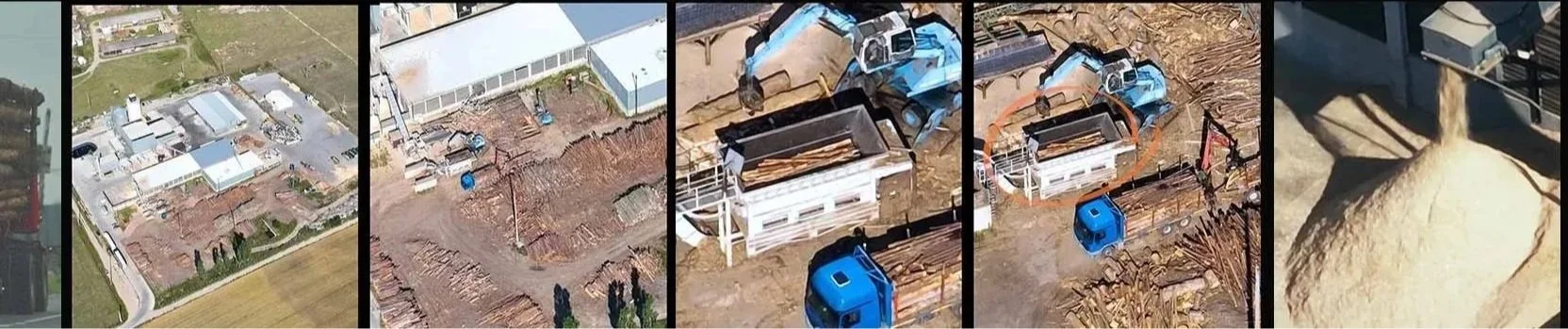
Be critical of pellet heating solutions. Though often marketed as green, it is difficult to verify the true source of the wood. Pellets may come from cutting and grinding whole trees, releasing more CO₂ than coal when burned. Since forests take decades to regrow, the climate damage is immediate.
Instead, look for truly climate-friendly alternatives — solutions such as solar or hydro power that do not rely on burning biomass.

-
VOTE for the EU Parliament
The EU has pledged to protect its last old-growth and primary forests by 2030. But current policies often do the opposite. Under the Renewable Energy Directive, burning wood is still counted as “carbon neutral”. This makes up nearly 60% of Europe’s renewable energy mix (Joint Research Centre, 2019), supported by billions in subsidies.
The problem: burning wood releases more CO₂ than coal, and forests take 60+ years to regrow — delaying climate neutrality for generations (Searchinger et al., 2009; Moomaw et al., 2020). At the same time, logging — legal and illegal — continues to eat away at Europe’s last primary forests, especially in Romania’s Carpathians (Knorn et al., 2013; Ceccherini et al., 2020).
Why it matters for voters:
Push for an end to subsidies that treat biomass as renewable energy.
Demand binding EU protection for all remaining old-growth forests.
Support politicians who take forest protection seriously, not just on paper.
Europe’s climate future depends not on planting more trees, but on protecting the ancient forests we still have.
For who you could vote:
-
Donate to the right organisations!
While voting is one way to influence forest policy, we can also support the organisations working every day to protect Europe’s last old-growth and primary forests. Every contribution, big or small, strengthens the movement to keep these ancient forests alive.
Support can take many forms:
Donate – help fund their projects or staff.
Become a member – join and participate in their campaigns.
Volunteer – give your time and skills where they’re needed.
Get involved – spread awareness and stand with those defending the forests.
Organizations you can donate to:
Agent Green
Greenpeace
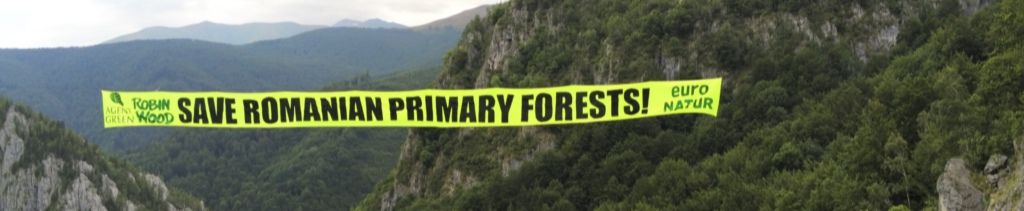
Robin Wood

-
Agent Green is a non-governmental, non-profit organization (NGO) dedicated to environmental protection, founded in 2009 in Romania for the purpose of preserving biodiversity.
It is a local organization led by dedicated Romanians that has had several success stories in protecting old-growth forests. Founder Gabriel Paun was honored as a UN Champion of the Earth for his inspiration and action in 2024.
-
Most of the work of Agent Green is to analyze the situation on the ground, file complaints to authorities, raise public awareness, and expose illegal activities.
-
Money is directly used in their mission to protect old-growth forests and preserve biodiversity. Donations are crucial for the team to continue their work in Romania.
We work together with romanian NGO Agent Green. They are active in many fields to protect nature and wild forest in Romania. As some of our movie protagonists are involved in this organization, we fully trust Agent Green in their work and motivation.
TOPICS AROUND WOOD


-
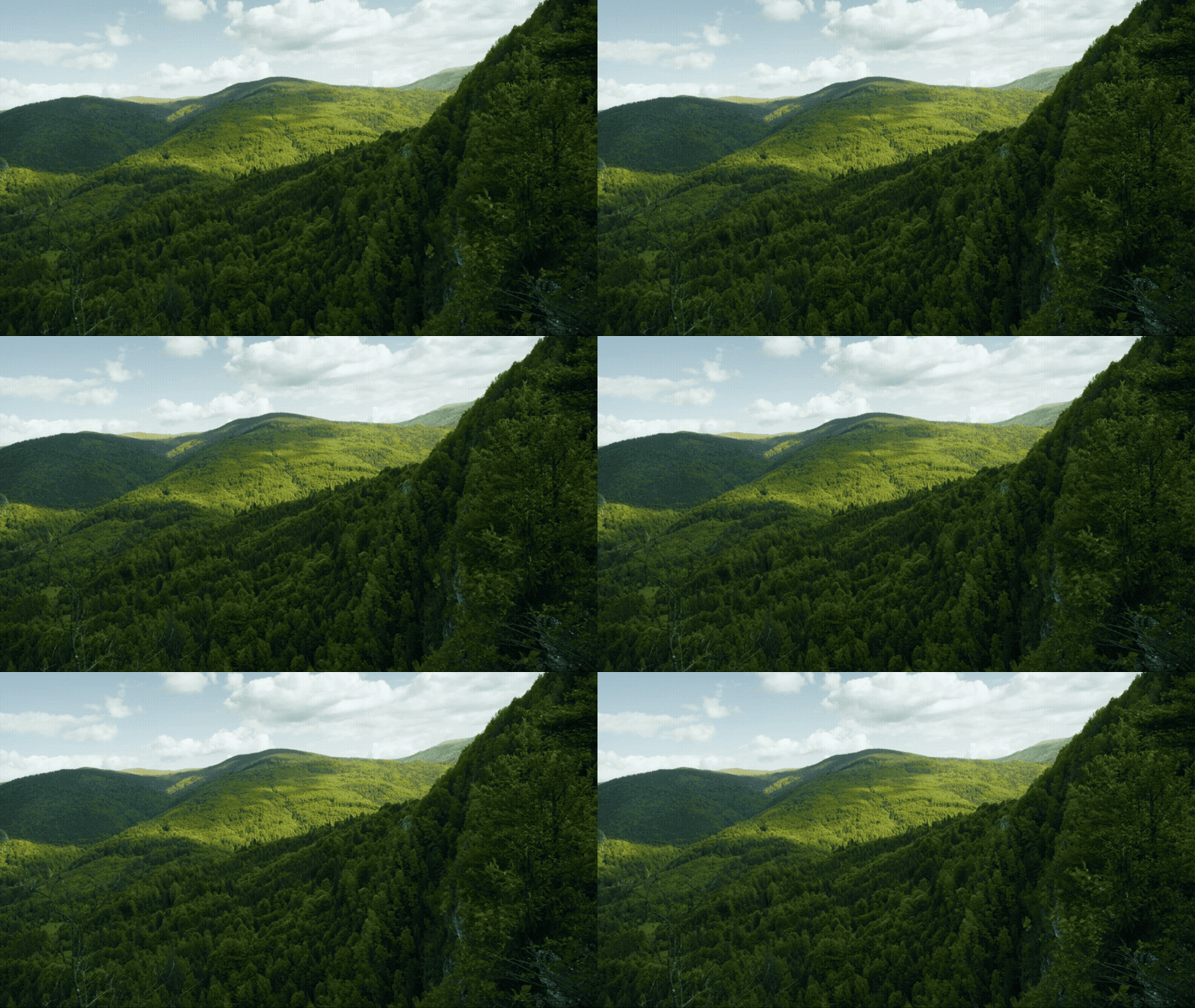
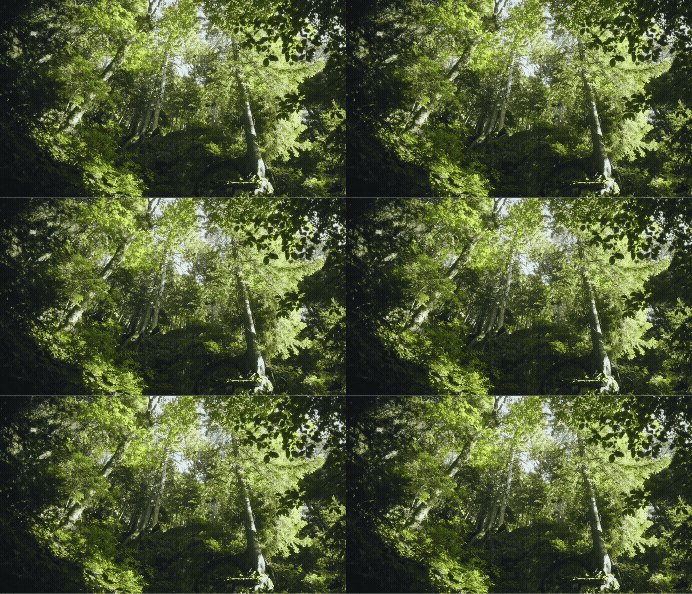
A primary forest is a forest that has never been cut down or replanted. Sometimes called “virgin” or “old-growth” forest, it has developed naturally for centuries, shaped only by wind, water, living organisms, insects, wildlife and time — not by people. These forests are special because they hold a unique mix of plants, animals, and ecosystems that cannot be recreated once lost. They are the only living reference left to a natural world without humans.
In Europe, however, these forests are still undervalued and face serious threats from deforestation and weak protection policies (Ceccherini et al., 2020; Moomaw et al., 2020; Sabatini et al., 2020; Sabatini et al., 2021).
Rising deforestation is widely overlooked and rarely part of public debate (Knorn et al., 2013; Potapov et al., 2017; Ceccherini et al., 2020). The Carpathian Mountains in Romania are especially important: they host some of the largest and richest primary forests left in Europe, yet they are exceptionally endangered by logging and poor protection (Knorn et al., 2013; Sabatini et al., 2018; Schickhofer & Schwarz, 2019).

-
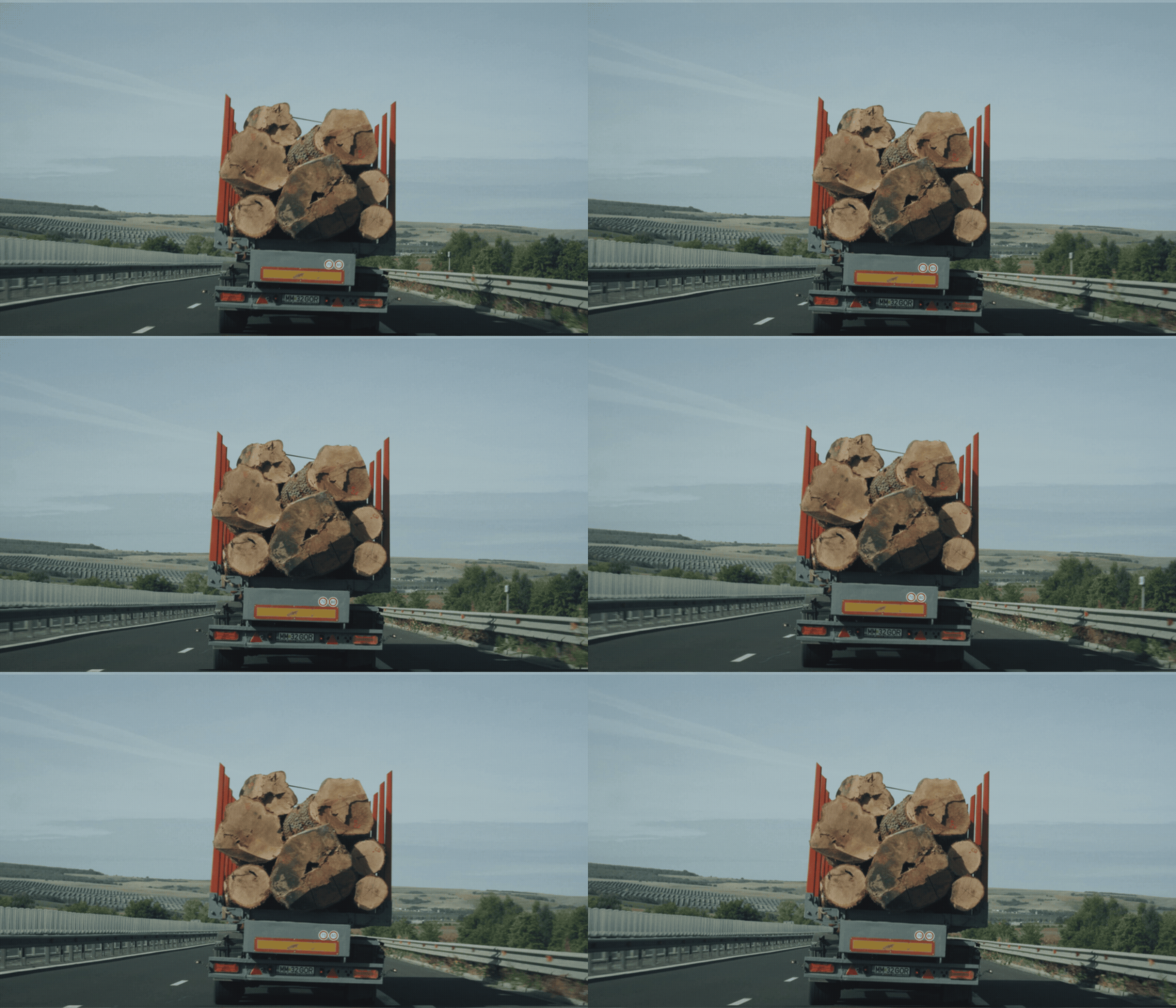
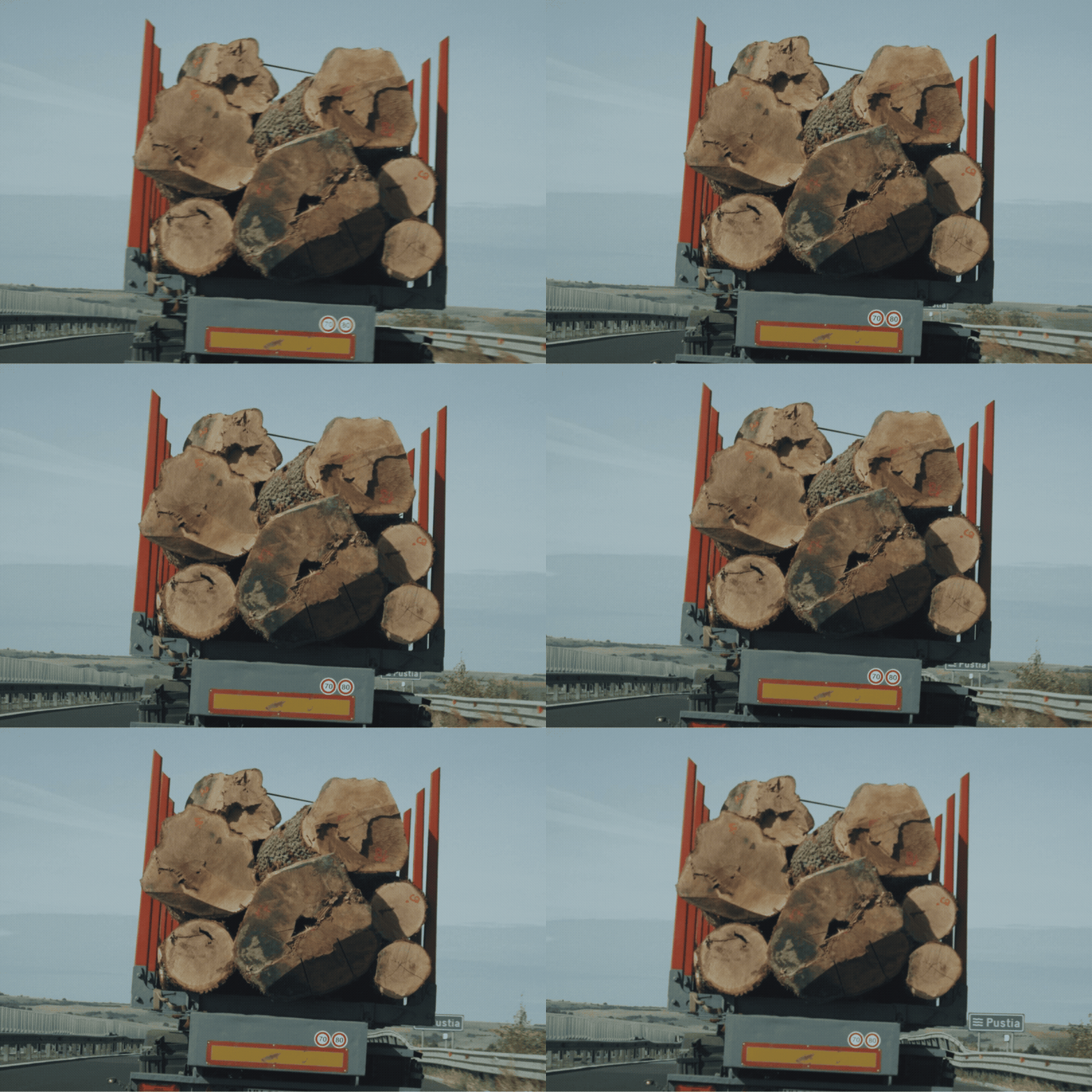
Logging is the cutting and removal of trees from forests for timber, paper, or fuel. While it supplies everyday materials, it can be highly destructive. Forests grow slowly and need centuries to regrow.
Europe still does not have a consistent inventory of its primary forests. Mapping efforts are patchy and incomplete (Veen et al., 2010; Barredo et al., 2021), and in Romania many forests are destroyed before they can even be recorded and protected (Mikoláš et al., 2023). To address this, scientists created the European Primary Forest Database, which shows that the Carpathians are a vital stronghold for these ecosystems (Sabatini et al., 2018; Sabatini et al., 2021).
At the same time, there is a striking gap between estimates. Independent researchers identified around 500,000 hectares of potential old-growth forests in Romania (Schickhofer & Schwarz, 2019), while official numbers recognize only about 70,000–80,000 hectares (Nicolescu, 2023). This gap highlights how urgently potential primary forests need assessment and proper mapping.
-
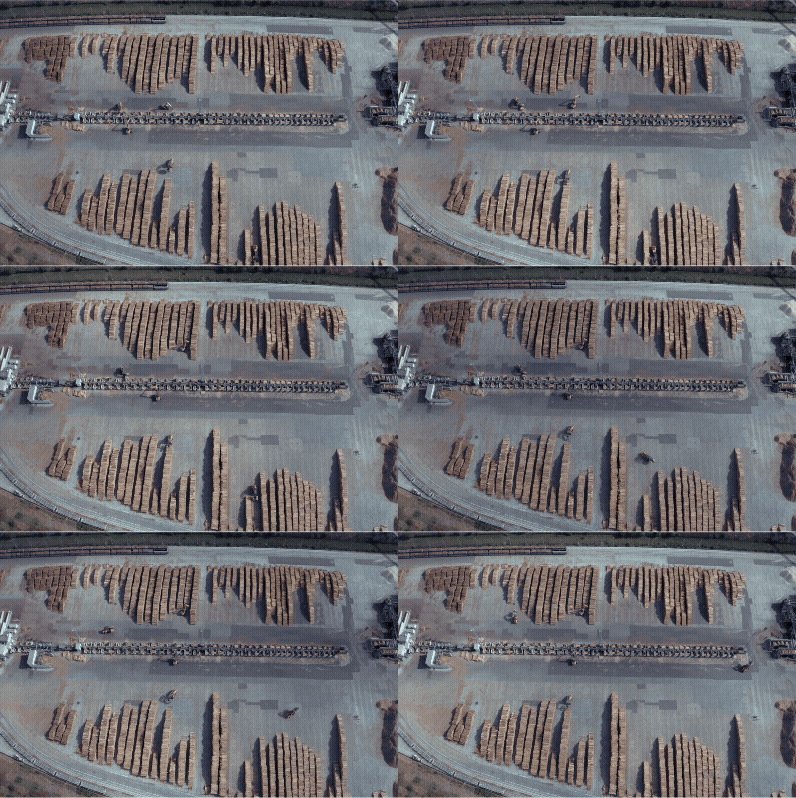
From fast furniture to wood pellets for energy, demand for wood has never been higher. In Europe, biomass already makes up about 60% of renewable energy use, mostly from burning wood for heat and power (Joint Research Centre, 2019; Joint Research Centre et al., 2021). While this is labelled as “green,” scientists warn it often increases the carbon footprint, since burning wood releases more CO₂ per unit of energy than coal or gas (Searchinger et al., 2009).
Another problem is forest regrowth cycles: it can take more than 60 years for new trees to absorb the carbon lost when mature forests are cut, which means that climate neutrality is massively delayed (Moomaw et al., 2020) - time we do not have.
“Forests are not sustainable wood sources - only single trees are”
If an old-growth forest is altered to become a productive plantation of trees for timber, the biodiversity is largely destroyed. While trees regrow the original forest ecosystem is lost.
Logging for biomass and cheap, disposable furniture accelerates the destruction of Europe’s last primary forests - what seems like affordable design or clean energy often hides a heavy climate and biodiversity cost (Sheffield, 2021), (Knorn et al., 2013; Ceccherini et al., 2020).

OUR MOTIVATION

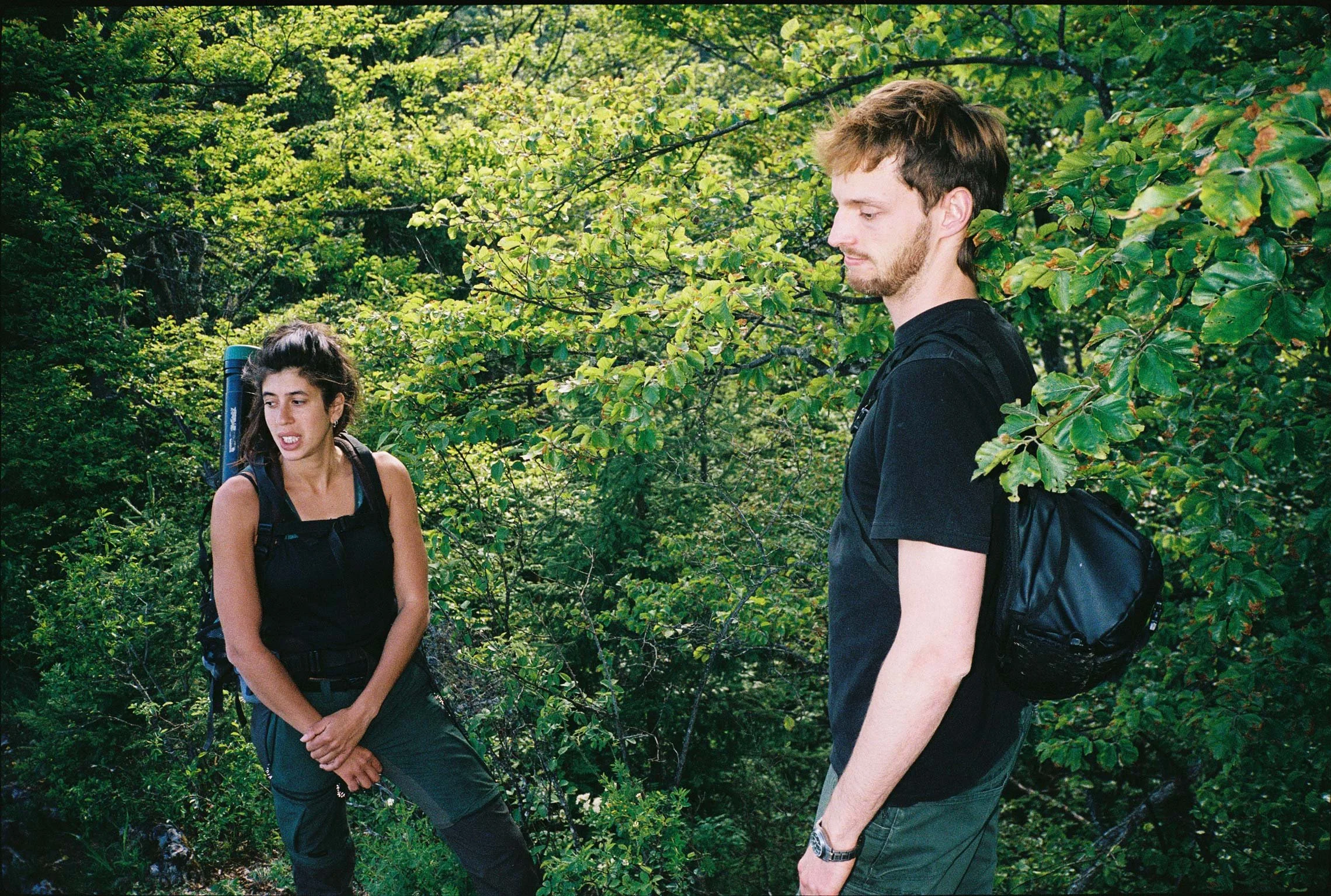
Max was on his way to one of Romania’s forests when Johannes and Joscha from El Flamingo called: “We heard you are researching for a documentary in the Romanian forests. Do you want to make this film together?” Almost three years later, the team is still developing and growing ideas on how to protect these wild forests. We spent many weeks on several trips to Romania. Since that first phone call, the project has changed, we have changed, and sadly the forests have changed too — mostly in size. But one thing has not changed: our mission. We want to protect these forests and keep them alive for future generations.
For this mission, Max and El Flamingo joined forces in an unconventional way: no up-front funding, no publisher, just a small team. El Flamingo is a creative team specialised in outdoor brand content with an unconventional style. Max, with an academic background in Geography, has produced journalistic video contributions on forestry issues for national TV in Germany and the European Parliament. The result is a project that is both a film and a movement. Looking ahead, we want to carry the momentum forward and expand into other social and environmental projects.
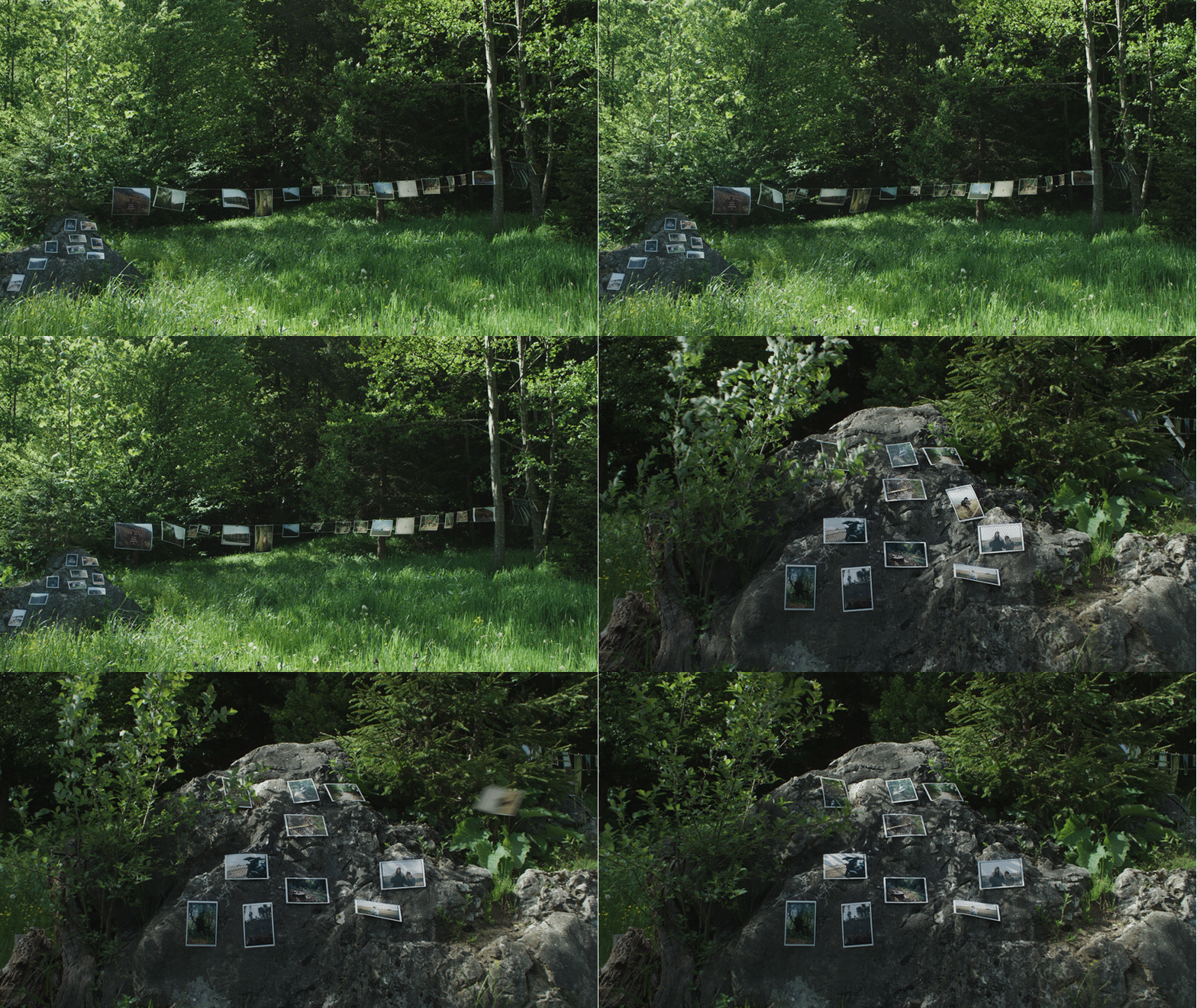
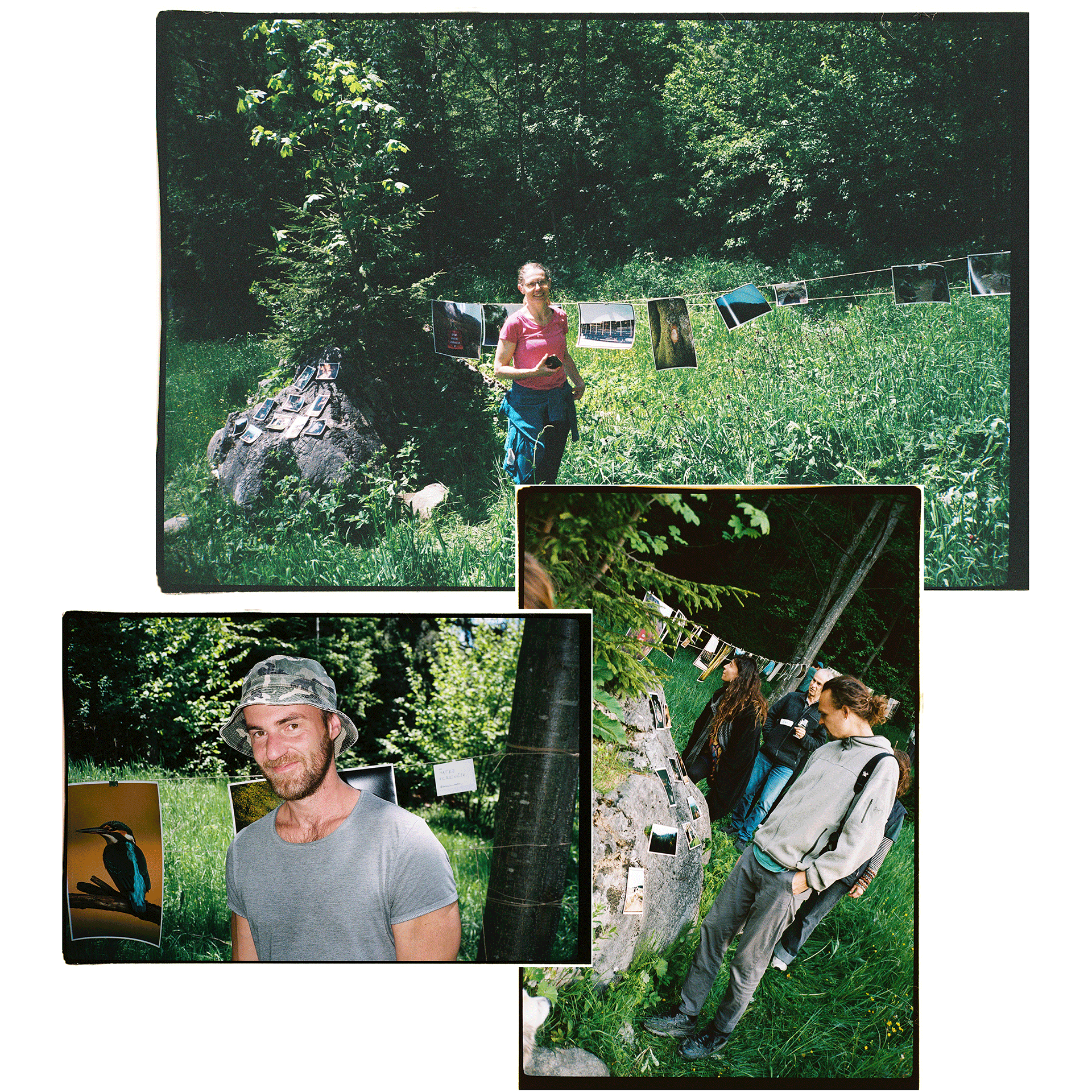
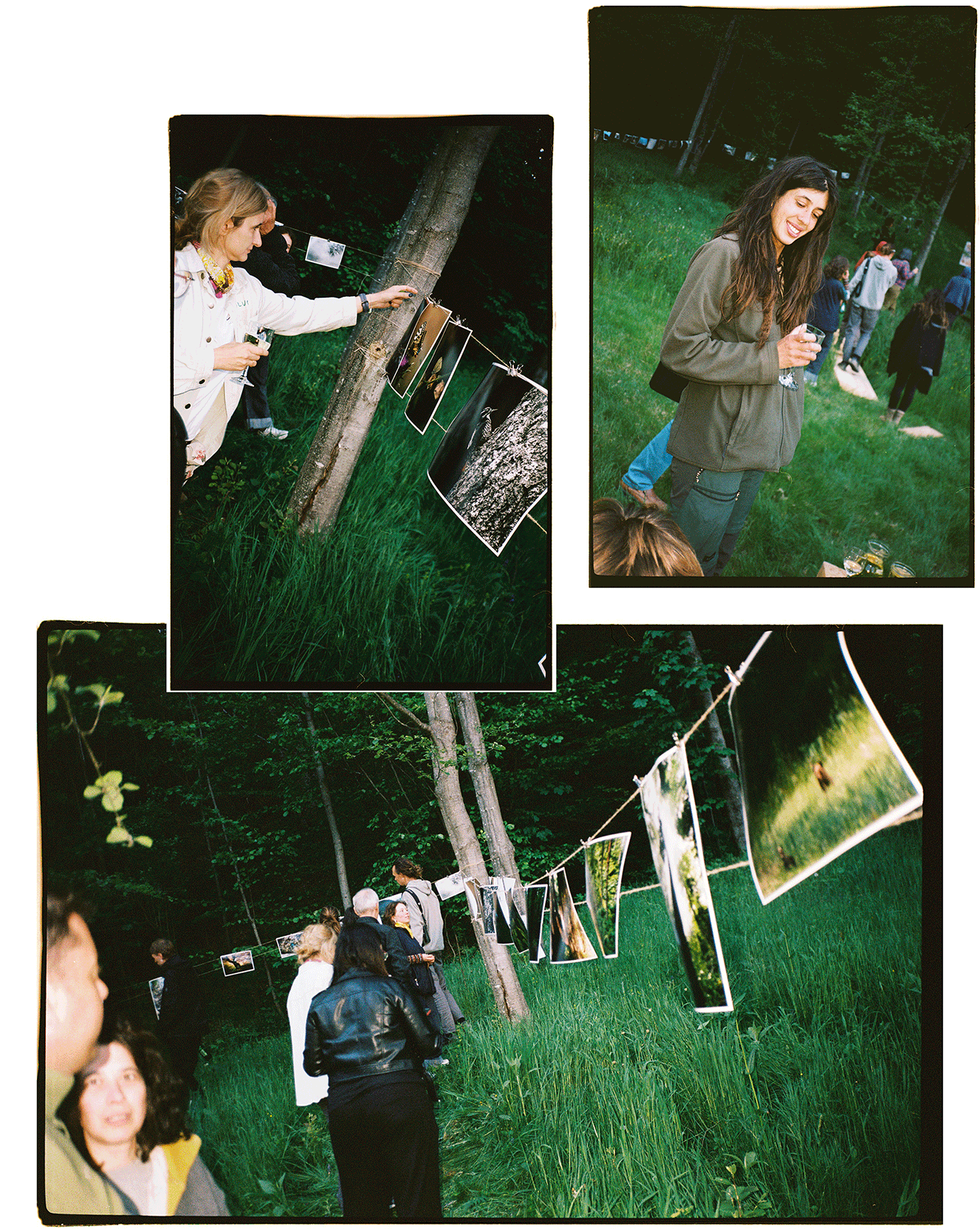
BLOOD WOOD premiere & photo exhibition
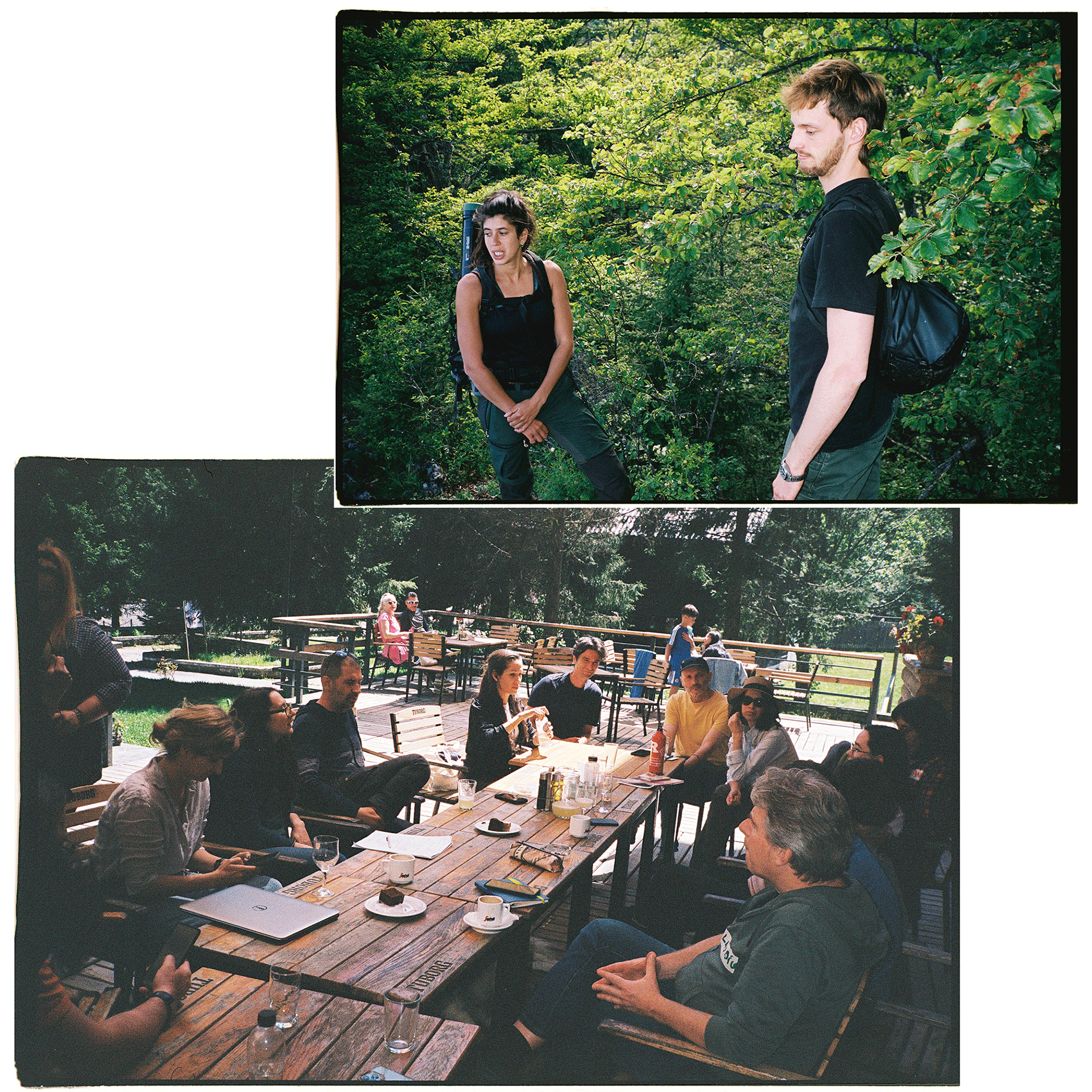
Agent Green Activist Camp
Retezat National Park, Romania May 2025
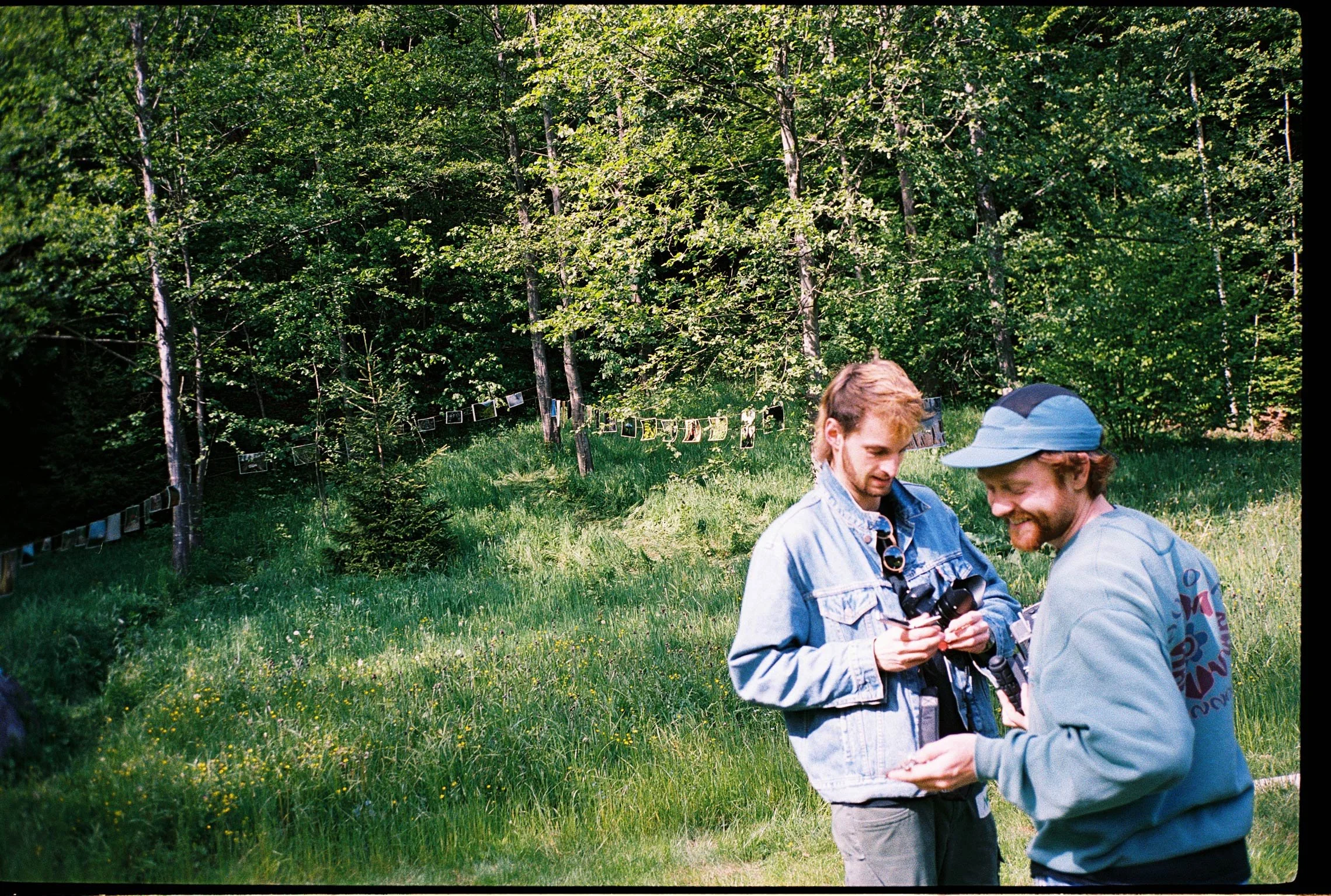
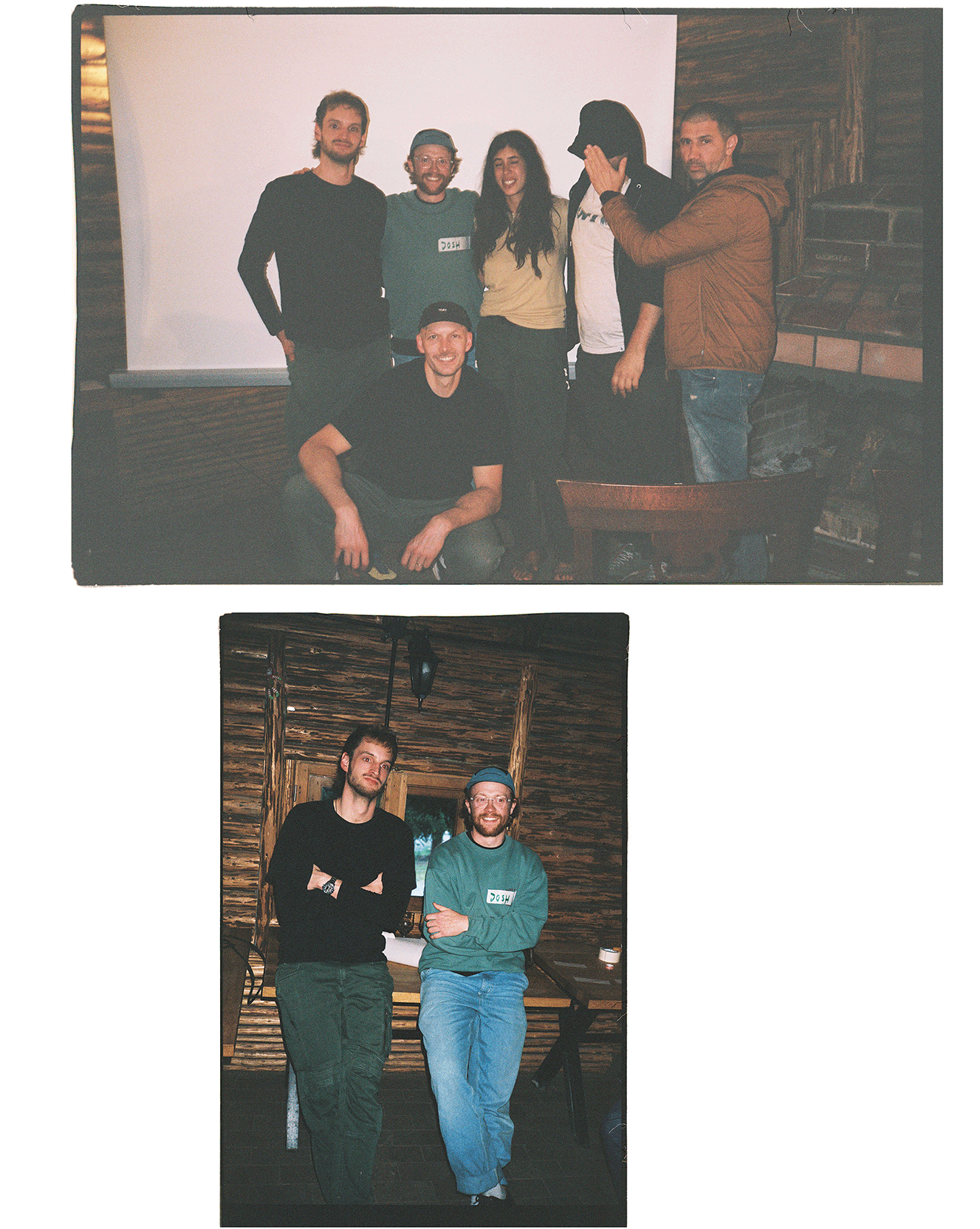
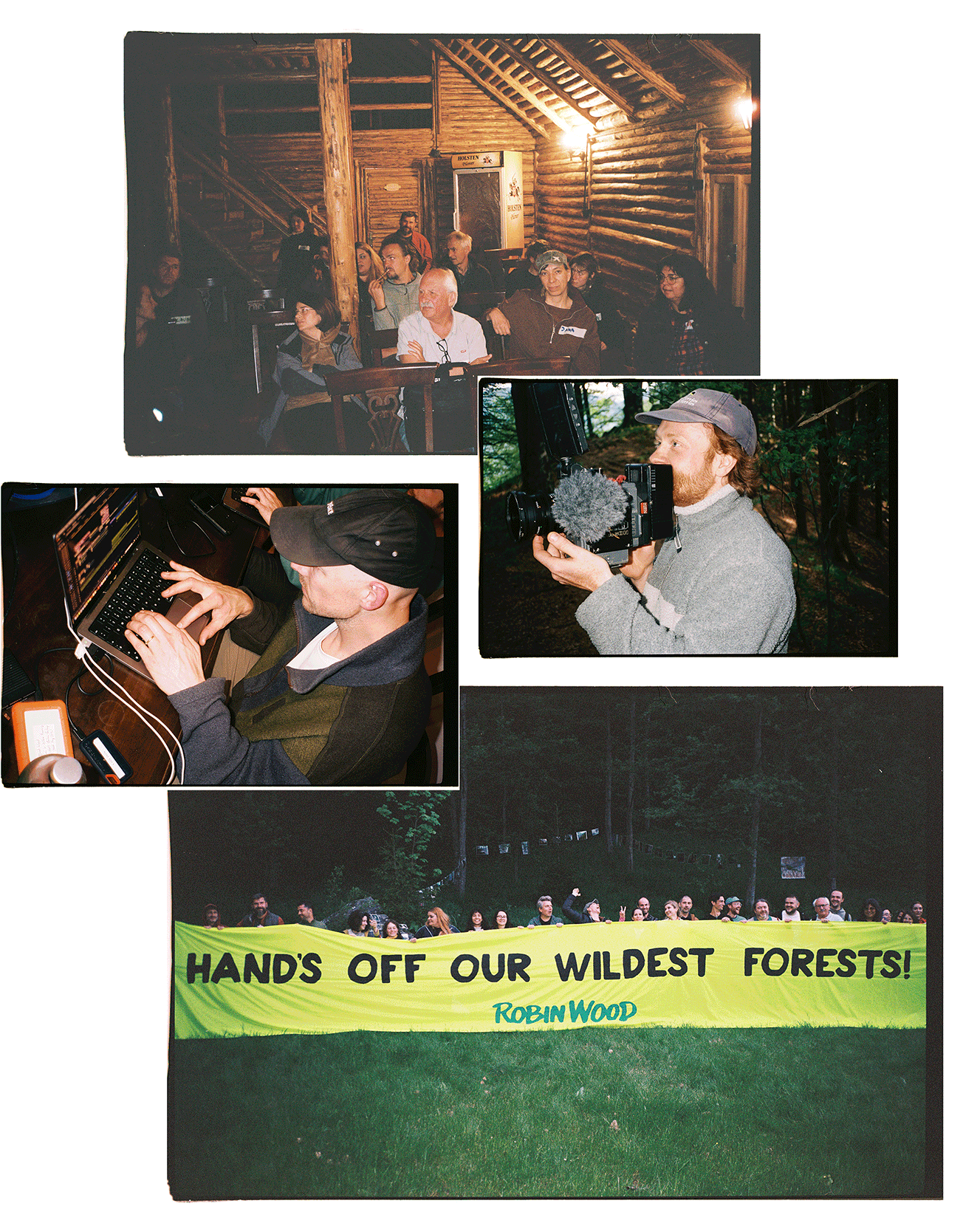
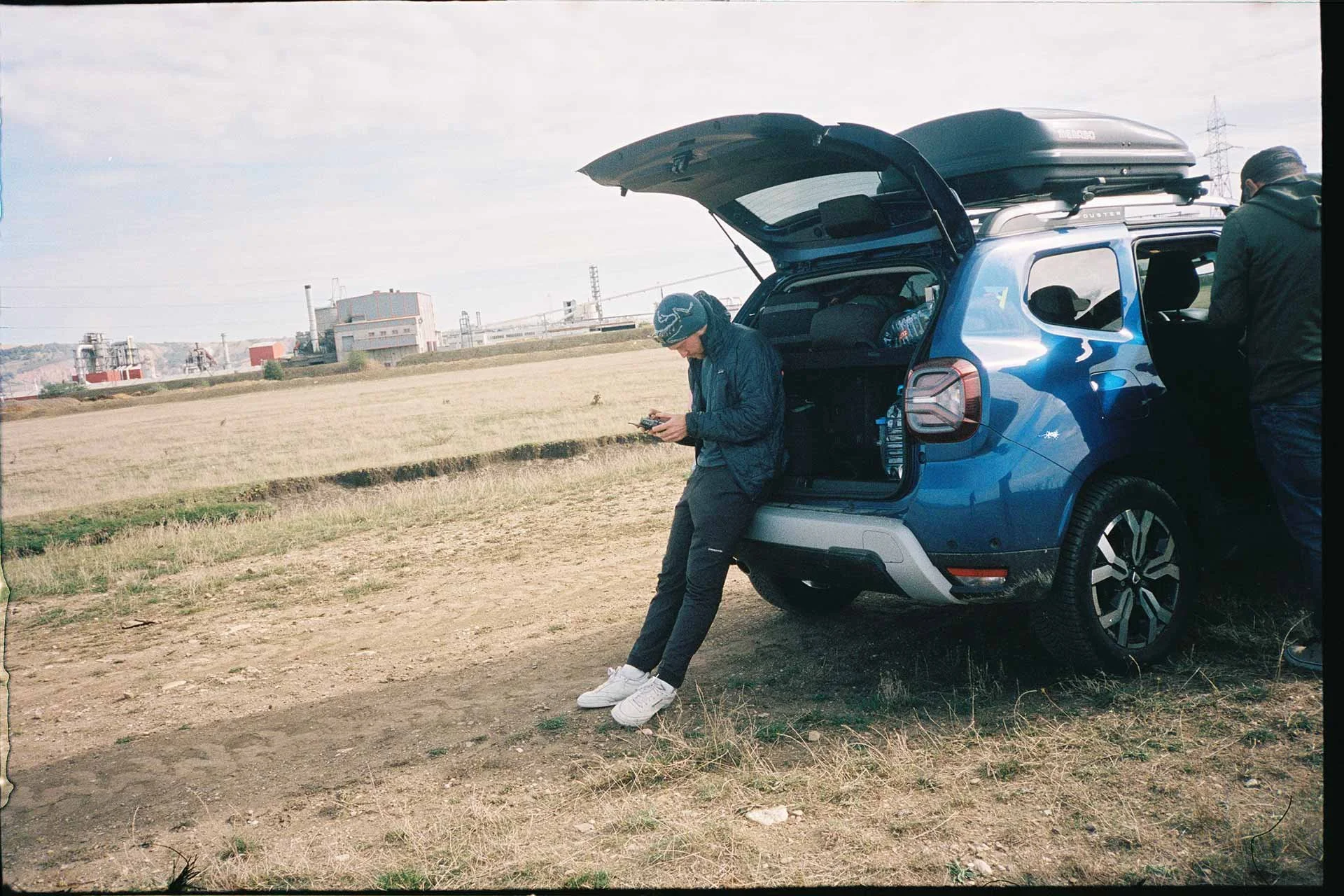
We wanted to show the film in Romania first — to Romanians. We drove from El Flamingo’s headquarters in Germany all the way to Romania in 20 hours, carrying the prints, the screening file, and pure excitement. The premiere weekend brought together experts in forest protection and policy. We hosted a photo exhibition right in the forest, surrounded by the very landscape the work is about, and featuring several local artists who explore the theme of Romania’s wild forests. The screening and panel discussion gave us valuable feedback and momentum, helping us connect and share with people directly involved in the field.
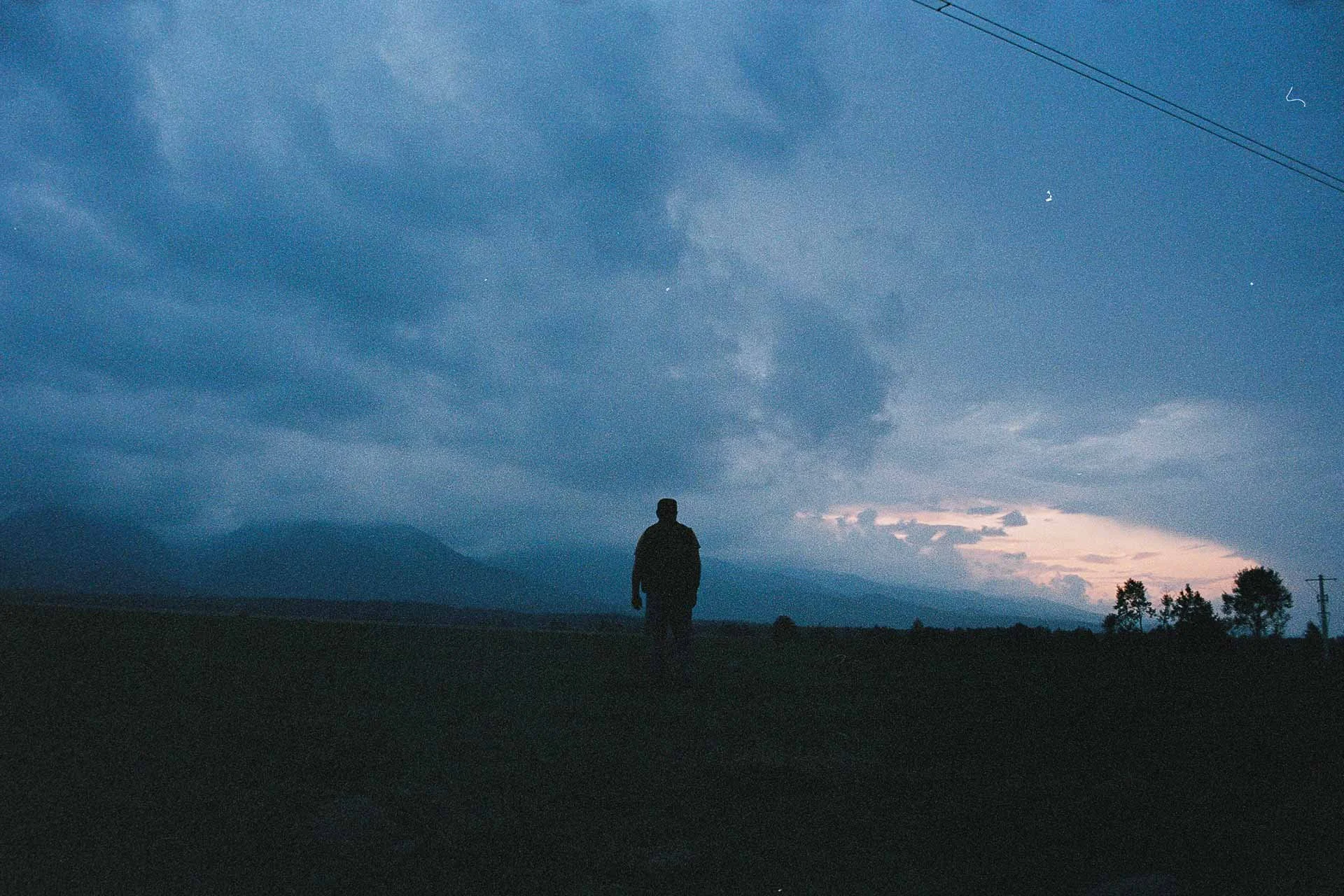
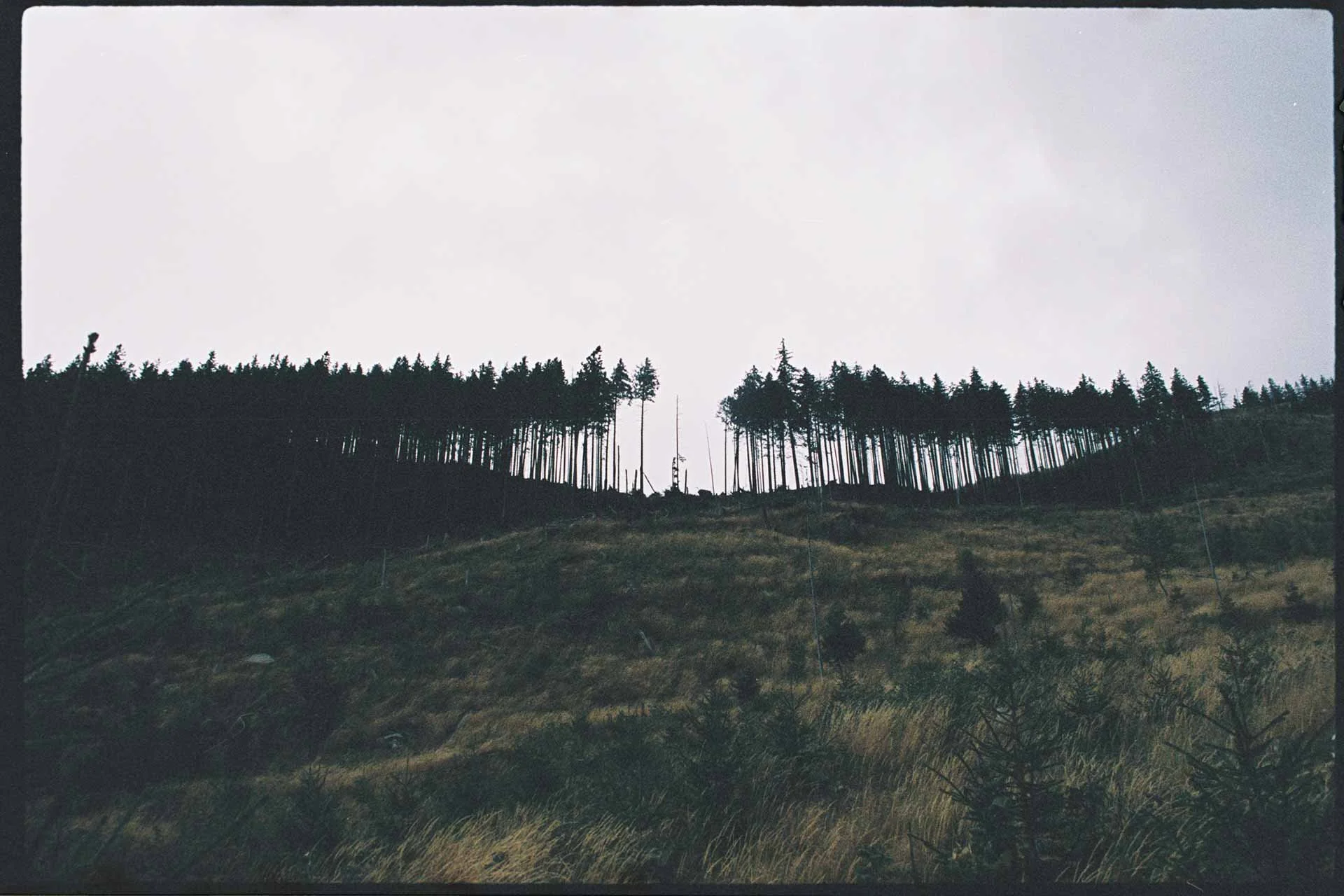
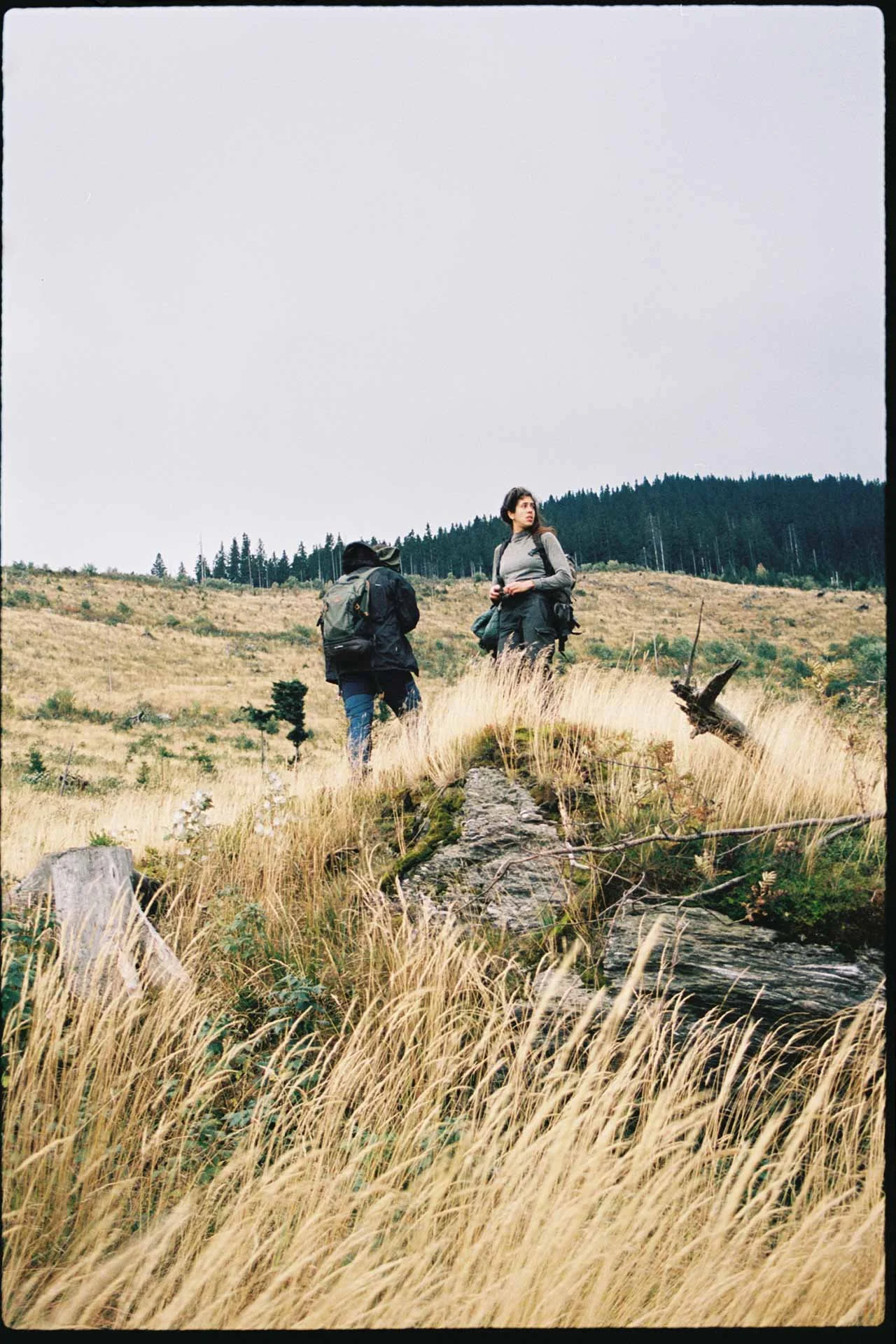
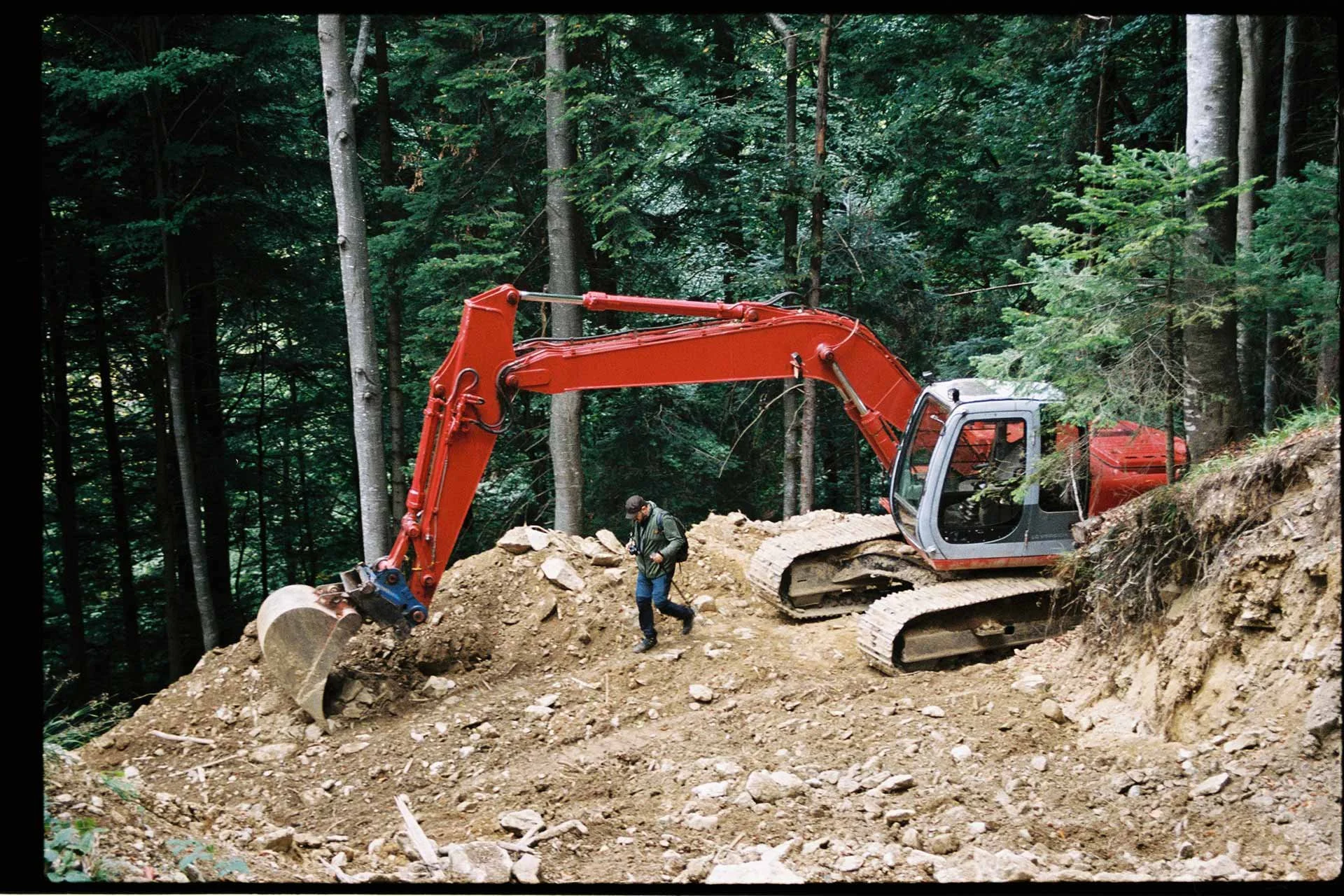
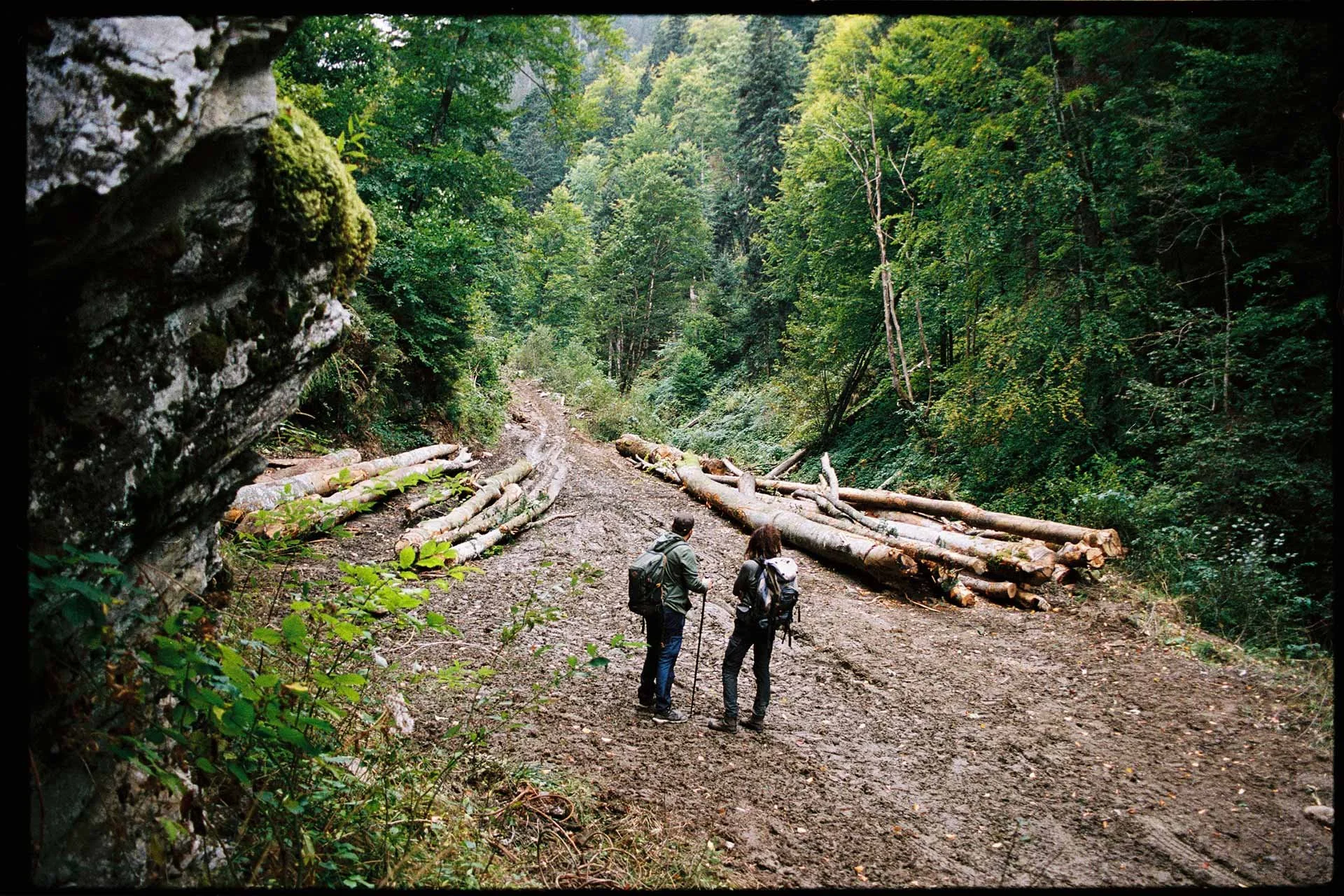
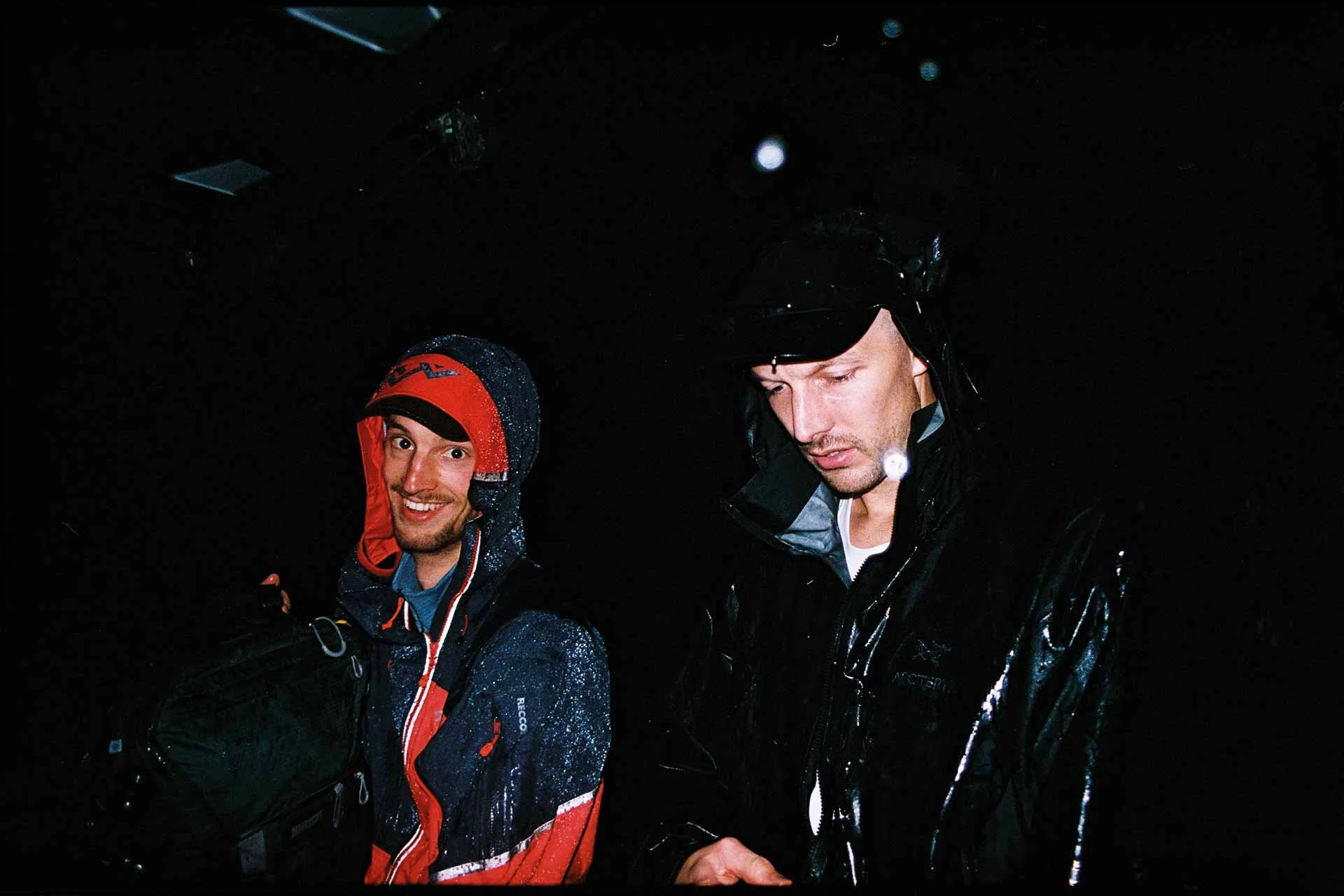
BTS BLOOD WOOD Documentary Shoot
Făgăraș Mountains, Romania October 2023






CREDITS
WITH RHIANNON GLOOR, GABRIEL PAUN & SILVIU
CREATED BY JOSCHA KOTLAN & JOHANNES MÜLLER
ORIGINAL IDEA & CO-DIRECTED BY MAX IHLENBURG
ART DIRECTION BY LEON PRELLER
PRODUCED BY EL FLAMINGO
SOUNDTRACK BY FABIAN SIETHOFF